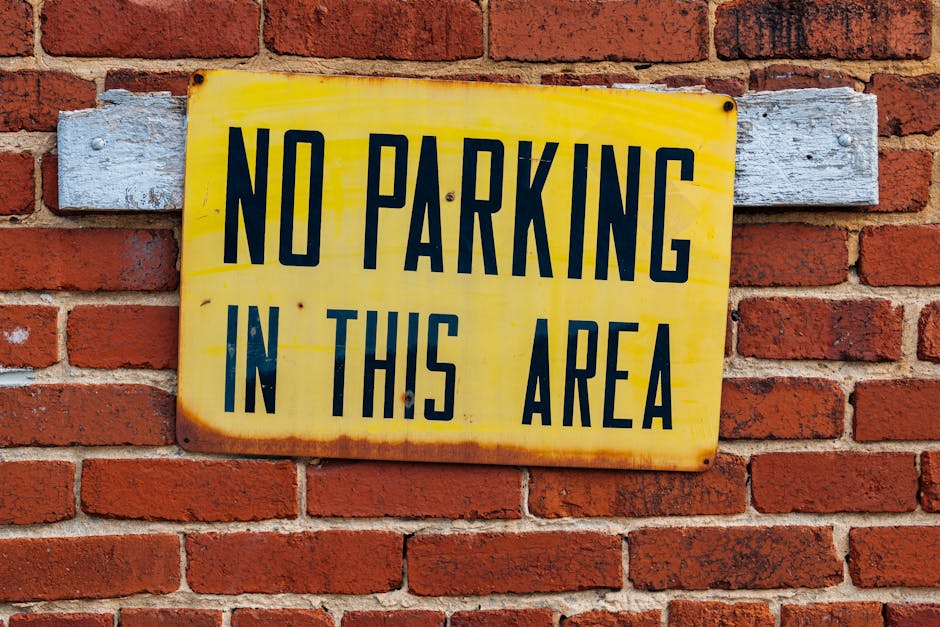
Hampstead parking and loading restrictions for removals
Posted on 01/08/2026
Moving in Hampstead can feel straightforward right up until the van arrives and the street turns out to be tighter than expected. That is usually the moment people realise how much Hampstead parking and loading restrictions for removals can affect the whole day. A good move is not just about lifting boxes; it is about timing, access, loading space, permit awareness, and a plan that fits a real NW3 street on a real moving day.
If you are planning a flat move, a house move, or a furniture collection, the parking side of the job matters just as much as the packing. A van blocked in the wrong bay, a double-parked load, or a missed loading window can add stress very quickly. The good news? With a bit of local know-how and a sensible sequence, most of the common issues are avoidable. This guide walks you through what matters, how it works, and what to do before the first box leaves the hallway.
Why Hampstead parking and loading restrictions for removals matter
In Hampstead, parking is rarely just "park and unload". Streets can be narrow, bays may be controlled, yellow lines can limit stopping, and some roads have resident or time-based restrictions that make a moving van hard to place properly. For removals, that can turn a simple doorstep drop-off into a chain of delays. And delays cost energy, time, and sometimes money.
The issue is not only convenience. A safe loading position protects your belongings, the team handling them, pedestrians, and your neighbours. If the van has to stop too far away, every extra metre becomes another trip across traffic, kerbs, steps, or wet pavement. On a cold grey morning, with boxes stacked in the hall and the kettle gone, you really notice the difference.
It also affects service choice. A larger lorry may be the wrong fit for a tight Hampstead street, while a smaller man with a van in Hampstead or a flexible removal vehicle can sometimes get closer, load faster, and reduce the time spent juggling access. That is often the quiet advantage people overlook when comparing moving options.
For people moving out of a flat, parking restrictions can be the difference between a smooth stairwell handover and a frustrating morning of waiting, apologising, and carrying sofas from far down the road. To be fair, that is not how anyone wants moving day to start.
How Hampstead parking and loading restrictions for removals works
Parking and loading rules in Hampstead usually revolve around a few common control types. You may see permit bays, shared-use bays, pay-and-display spaces, yellow lines, double yellow lines, and kerbside restrictions. Each one affects how long a vehicle can stop, whether loading is allowed, and what evidence or permission may be needed.
For removals, the key distinction is between parking and loading/unloading. Parking usually means leaving a vehicle in a place for a longer period or with the intention of remaining there. Loading and unloading, by contrast, is a temporary stop to move items in or out. In many parts of London, loading may be allowed in certain restricted areas if the activity is continuous, necessary, and clearly taking place. But the exact position depends on the local rules and street signage, so assumptions are risky.
In practice, this means you need to think through three separate questions:
- Can the van legally stop near the property?
- If it can stop, how long can it stay there?
- Do you need a permit, suspension, or alternative loading plan?
A good removals plan starts before moving day. Ideally, you check the street outside both properties, note any signs, think about bay sizes and access width, and decide whether the vehicle can work from the front door, the side entrance, or a nearby legal stop. If the move involves a top-floor flat or heavier furniture, planning gets even more important. A piano, for instance, is not something you want to carry half a street because the bay looked "probably fine".
If you are preparing a wider move, it can help to review the service options first, such as house removals in Hampstead, flat removals in Hampstead, or a more tailored removal services Hampstead booking. The parking plan should fit the job, not the other way round.
Some moves are simple enough that a same-day arrangement can work, especially when access is flexible. Others need more lead time. If that sounds familiar, the local guide to same-day removals in Hampstead is worth a look before you lock in the date.
Key benefits and practical advantages
Planning for parking and loading restrictions is not busywork. It creates a cleaner move, and you can feel the difference almost immediately.
- Less waiting time: the van arrives where it can work, instead of circling for somewhere "good enough".
- Lower physical strain: shorter carry distances mean fewer awkward lifts and less fatigue.
- Reduced risk of damage: furniture spends less time on kerbs, pavement edges, or in rainy conditions.
- Better neighbour relations: no one enjoys being blocked in by a van that was never meant to be there in the first place.
- More accurate scheduling: the team can keep to realistic timings when loading access is properly planned.
- Fewer surprise costs: fewer delays usually means fewer knock-on complications.
There is another advantage, too: it helps you decide whether storage, a split move, or a smaller vehicle makes more sense. If access is poor, moving everything in one go is not always the smartest option. Sometimes the simplest answer is not the biggest van, but the most workable one. That is just reality on many Hampstead streets.
People moving into high-value homes often want extra care around antiques, artwork, and delicate furniture. In those cases, parking efficiency matters because it keeps handling times down. If that is relevant to your move, you may also find the information on furniture removals in Hampstead useful, especially when deciding how much access support you need.
Who this is for and when it makes sense
This topic matters to more people than you might think. If you are moving in Hampstead, you are likely dealing with at least one of these scenarios:
- you live on a busy residential road with controlled parking;
- your building has limited front access or a narrow entrance;
- you are moving from a flat with stairs and no lift;
- you have a large furniture item, such as a piano or wardrobe;
- your move needs to happen at a specific time window;
- you need to combine loading with a permit or legal stopping plan.
Students often need this guidance because short-term rentals and HMOs can sit on streets where visitor parking is tight. Families need it because day-long removals can affect school runs, neighbour access, and building management rules. Office movers need it because timing is tied to staff disruption and building access slots. It all stacks up.
In our experience, the people who benefit most are the ones who think about access early rather than after the boxes are packed. That includes homeowners planning a sale, too. If you are preparing a property for market, a smoother move often goes hand in hand with better timing and presentation. You may find the article on Hampstead property sale tips useful if your move is linked to selling.
And if you are simply getting a feel for local life before a move, there is a helpful perspective in what it is like to live in Hampstead. It sounds unrelated at first, but understanding the neighbourhood does help you predict access issues. Streets, parking patterns, even where delivery traffic tends to sit on a weekday afternoon - all of it matters.
Step-by-Step guidance
Here is a practical way to handle Hampstead parking and loading restrictions for removals without overcomplicating things.
- Check both addresses early. Look at the street outside the current property and the destination. Notice bays, lines, signs, height restrictions, road width, and whether there is space for a van door to open safely.
- Decide what vehicle size is realistic. A larger vehicle may not be the best choice if the road is narrow or access is sensitive. A smaller vehicle can often save time if it can stop closer.
- Estimate how long loading will take. This is not just about the number of boxes. Think about stairs, heavy furniture, dismantling, and whether any items need wrapping on site.
- Check whether a permit or suspension is needed. In some cases, a controlled parking bay arrangement or temporary street management may be part of the plan. Rules vary, so treat this as a job-specific check rather than a guess.
- Build the schedule around access, not the other way round. If a street is quiet in the morning, that may be your best loading window. If it is busy near school pick-up time, maybe not.
- Prepare a fallback plan. If the nearest legal stop is farther away than expected, decide where the carrying route will begin and who will manage doors, lifts, and stairwells.
- Keep communication clear on the day. Driver, movers, and the person at the property should all know where the van is stopping and which entrance is being used.
That is the basic frame. Simple, really, but it works.
If your move also involves packing support, proper boxes, or a more coordinated loading sequence, you may want to look at packing and boxes in Hampstead alongside your removals plan. Good packing makes loading faster, and faster loading makes parking restrictions easier to manage.
Expert tips for better results
Little details make a disproportionate difference here. That is the slightly annoying truth of removals in a place like Hampstead.
- Do a photo check the day before. A quick picture of the parking space, the kerb, and any nearby signs can save a lot of argument later.
- Mark the heaviest items first. If the van has limited stopping time, load bulky furniture in a sequence that protects both balance and speed.
- Use two people at the doorway if possible. One person can keep the route clear while the other manages the carry. It sounds obvious, but it helps.
- Avoid peak street activity where you can. School drop-off, refuse collection time, and commuter traffic can all make access harder.
- Think about weather. Rain turns short carries into slippery ones. A dry 20-metre route is one thing; a wet, uneven pavement is another.
- Be realistic about the "just one more item" problem. Everyone says that. Then there is a lamp, a mirror, a rug, and suddenly the van is fuller than expected.
Expert summary: the best removals plan in Hampstead is not the most ambitious one. It is the one that fits the street, the vehicle, the timing, and the building without forcing the issue. If those four things line up, the day usually goes much more smoothly.
If your move is happening close to a busy turning point, or you need to move something delicate, it can be worth using a more specialist service. For example, piano removals in Hampstead require careful access planning as well as skilled handling. The same goes for antiques, which can be more awkward than they look. Oddly enough, a small item can be harder than a big one if it is precious enough to make everyone nervous.
Common mistakes to avoid
A lot of moving-day trouble comes from avoidable assumptions. Here are the ones that crop up most often.
- Assuming a van can "just pull up". In Hampstead, that is not always realistic, especially on controlled streets.
- Ignoring the unloading side of the move. People plan the departure but forget that the destination may have even worse access.
- Leaving parking checks until the morning of the move. By then, your options are narrower and everyone is already under pressure.
- Overestimating how much can be moved in one loading stop. Tight streets do not reward optimism.
- Not telling the building manager or neighbours where the van will stop. This can cause friction that no one needs.
- Choosing the wrong vehicle size. A bigger van sounds efficient, but if it cannot stop legally, it is not efficient at all.
Another subtle mistake is forgetting the return journey. If you are moving out and then collecting keys somewhere else, the vehicle may need to stop twice in different areas. That doubles the need for a clean plan. It sounds like a small detail. It is not.
If your move is urgent, the article on NW3 removals cost and quotes can help you think about the relationship between access, timing, and pricing. And if you are under pressure because time is tight, there is also practical context in same-day removals in Hampstead.
Tools, resources and recommendations
You do not need fancy kit to manage parking and loading well, but a few basic tools make the process cleaner.
- Phone camera: use it to document signs, bay markings, and access points.
- Notepad or notes app: record the best loading location, timing, and backup spot.
- Sturdy labels: these speed up loading and unloading, which matters when stopping time is limited.
- Protective covers and straps: they help secure furniture if the carry is longer than expected.
- Floor protection and blankets: useful in period properties and stair-heavy flats.
For planning support, it helps to read around the move itself, not only the parking side. The broader services overview gives a useful picture of what kind of help is available, while removals in Hampstead is a good starting point if you want a fuller moving service rather than a one-off collection.
You might also want to explore man and van Hampstead and removal van Hampstead options if your access needs are quite specific. For smaller moves, student removals in Hampstead can be a practical fit. For larger, more structured jobs, office removals in Hampstead may be more appropriate.
If sustainability matters to you - and in Hampstead, it often does - the move can also be an opportunity to reduce waste. See recycling and sustainability for a more responsible way to handle unwanted items, packaging, and end-of-move clear-outs.
Law, compliance, standards and best practice
For removals, compliance is mostly about respecting local parking controls, keeping access safe, and not making assumptions about where a vehicle can stop. The exact rules can change depending on the street, the bay type, and the time of day, so it is best to treat signs and local restrictions as the first point of truth.
In practice, that means:
- do not stop on restrictions just because unloading feels urgent;
- do not block access routes, crossings, or dropped kerbs;
- use loading only when it is genuinely taking place and does not overstay the permitted period;
- plan for pedestrians, cyclists, and other vehicles;
- avoid leaving items where they could create a trip hazard or obstruct the pavement.
Good removals practice in London also means working safely around stairs, entrances, and narrow landings. That is why established operators usually keep safety, insurance, and handling discipline front and centre. If you want to understand the standards behind that approach, take a look at insurance and safety and the health and safety policy. They matter more than people realise until something nearly goes wrong.
For anyone comparing providers, it is also reasonable to check how terms are handled and whether the process is clear. That includes the practical bits, not just the polished sales pitch. The pages on terms and conditions, payment and security, and privacy policy are useful trust signals when you are deciding who to book.
There is also a sensible commercial angle. If your move requires a permit-sensitive loading arrangement, you want a provider that understands local access realities rather than treating every street like a blank canvas. That experience is one of the quiet reasons people turn to a local specialist such as Hampstead man and van NW3 or compare against removal companies in Hampstead. The right fit depends on the property, the access, and how much you need handled.
Options, methods and comparison table
Not every move needs the same approach. Here is a simple comparison to help you decide what suits your access situation best.
| Approach | Best for | Parking/loading impact | Main trade-off |
|---|---|---|---|
| Small van / flexible vehicle | Flat moves, short streets, tighter access | Can often stop closer to the property | May require more trips if the load is large |
| Standard removal van | Typical household moves | Efficient for organised loading, but needs sensible stopping space | Not ideal where the road is very tight |
| Planned full removals service | Full-house moves, larger furniture, heavier load | Best when timing and access are planned in advance | More coordination required before move day |
| Split move with storage | Busy schedules, limited parking, staged moving | Reduces pressure on a single loading window | Two-stage logistics can take more planning |
There is no universal winner. A small van is not automatically better, and a larger removal vehicle is not automatically worse. What matters is matching the method to the street. That is the whole game, really.
If you are considering a staged move, or you need somewhere to keep items while access or timing is being sorted out, storage in Hampstead can be part of the plan. A lot of people forget that parking restrictions and storage solutions are often two sides of the same problem.
Case study or real-world example
Imagine a two-bedroom flat move from a Hampstead side street to another NW3 property. The original plan is simple enough: arrive early, load near the front door, and leave before lunchtime. But on the day, the nearest obvious stopping point is already controlled, the street is narrower than expected, and the lift in the building is smaller than the sofa. Very Hampstead, in other words.
Instead of forcing the van into a bad spot, the team adjusts the approach. They use a legal stop a short distance away, carry smaller items first to keep the route clear, then move the larger furniture in a sequence that avoids blocking the entrance. One person keeps an eye on the door, another manages the stairwell, and the driver stays ready to shift the vehicle if needed. Nothing dramatic. Just good coordination.
The result is not magic. The move still takes work. But the day stays calm because the access issue was treated as a planning matter, not a surprise. The client gets through it without that horrible mid-move feeling where everything seems to be happening at once. That counts for a lot.
A similar approach often helps with fragile or awkward items. If you are moving special pieces such as antiques or a piano, access needs to be solved before the item is lifted. If that sounds like your situation, the article on Hampstead Heath man and van for piano and antiques moves is a useful companion read.
Practical checklist
Use this checklist a few days before the move, and again the evening before if you can.
- Check the parking signs outside both properties.
- Confirm whether loading is likely to be possible at the front door.
- Measure the widest furniture items and the narrowest access points.
- Decide whether a small or standard van is the safer choice.
- Tell the building manager or neighbours if a loading vehicle will be nearby.
- Prepare labels, blankets, tape, and floor protection.
- Plan the route from van to door, including steps, gates, and tight turns.
- Keep a backup parking option in mind.
- Separate urgent items from non-urgent ones.
- Leave enough time for loading to happen calmly, not in a rush.
If you can tick off most of those points, you are already ahead of many moving-day headaches. Seriously. That little bit of prep pays for itself.
When the access is awkward or the timing is tight, the smartest move is often to get a local team involved early and keep the plan realistic. If you want help from people who understand NW3 streets and moving-day logistics, explore the wider removal services in Hampstead and see how the service fits your situation. It is one less thing to juggle, and that can make all the difference on a busy day.
Conclusion
Hampstead parking and loading restrictions for removals are not just a minor detail. They shape how quickly the move starts, how safely it runs, and how much stress everyone carries through the day. When you plan around the street rather than fighting it, the whole move becomes more controlled and far less chaotic.
The best approach is usually the simplest one: check the access early, choose the right vehicle, allow enough time, and treat loading as a logistical job rather than an afterthought. That mindset saves energy, protects your belongings, and keeps the day feeling manageable. Which, let's face it, is what everyone wants when the boxes are stacked and the kettle is still somewhere in transit.
Get a free quote today and see how much you can save.
And if you are still at the planning stage, that is fine. Start with the access, keep the plan practical, and take it one step at a time. A well-managed move has a way of making even a tight Hampstead street feel a lot more forgiving.